About the App
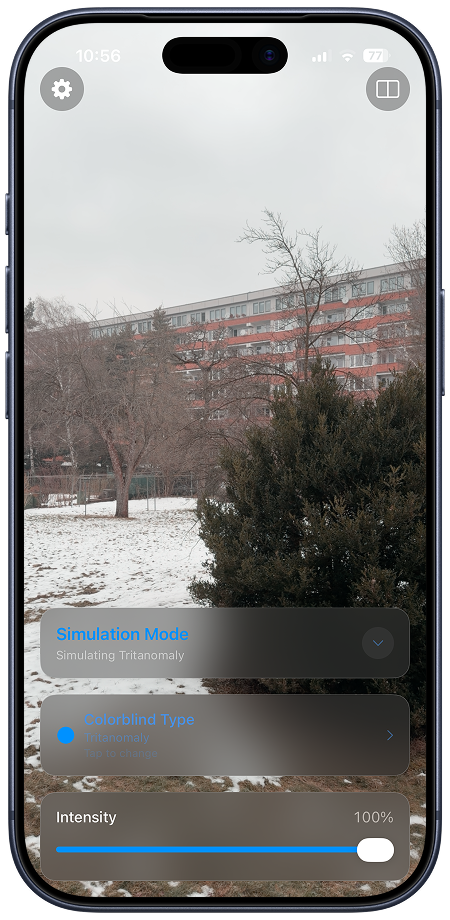
See What I See helps people with normal color vision understand how people with colorblindness perceive the world. Use your camera to see real-time simulations of different types of colorblindness.
Colorblind Simulation
Experience how others see colors
Intensity Control
Adjust simulation strength
Split View
Compare normal and simulated side by side
Understanding Colorblindness
Colorblindness (also called color vision deficiency) is a condition where people have difficulty distinguishing between certain colors. It affects approximately 1 in 12 men and 1 in 200 women. Most people with colorblindness can see colors, but they perceive them differently than people with normal color vision. The condition is usually inherited and is caused by abnormalities in the color-sensing cells (cones) in the retina.
Dichromacy
Complete absence of one type of cone cell. More severe form where one color channel is completely missing.
- Protanopia: Difficulty distinguishing red and green colors. Red appears darker and less vibrant. Affects ~1–2% of males.
- Deuteranopia: Difficulty distinguishing red and green colors. Green appears less distinct. Affects ~5–6% of males (most common form).
- Tritanopia: Difficulty distinguishing blue and yellow colors. Very rare. Affects <0.01% of population.
Anomaly
Reduced or shifted sensitivity of one type of cone cell. Less severe form where color perception is altered but not completely absent.
- Protanomaly: Red-weak (shifted L-cones).
- Deuteranomaly: Green-weak (shifted M-cones).
- Tritanomaly: Blue-weak (shifted S-cones). Very rare.
Monochromacy (Achromatopsia)
Complete absence of color vision. Only brightness (luminance) is perceived; the world appears in shades of gray. Achromatopsia is the most common form of monochromacy and is very rare.
- Achromatopsia: Complete grayscale vision; no color is perceived. Only light and dark (luminance) are visible. Often accompanied by light sensitivity and reduced visual acuity. Affects ~0.003% of population.
Experience Colorblindness
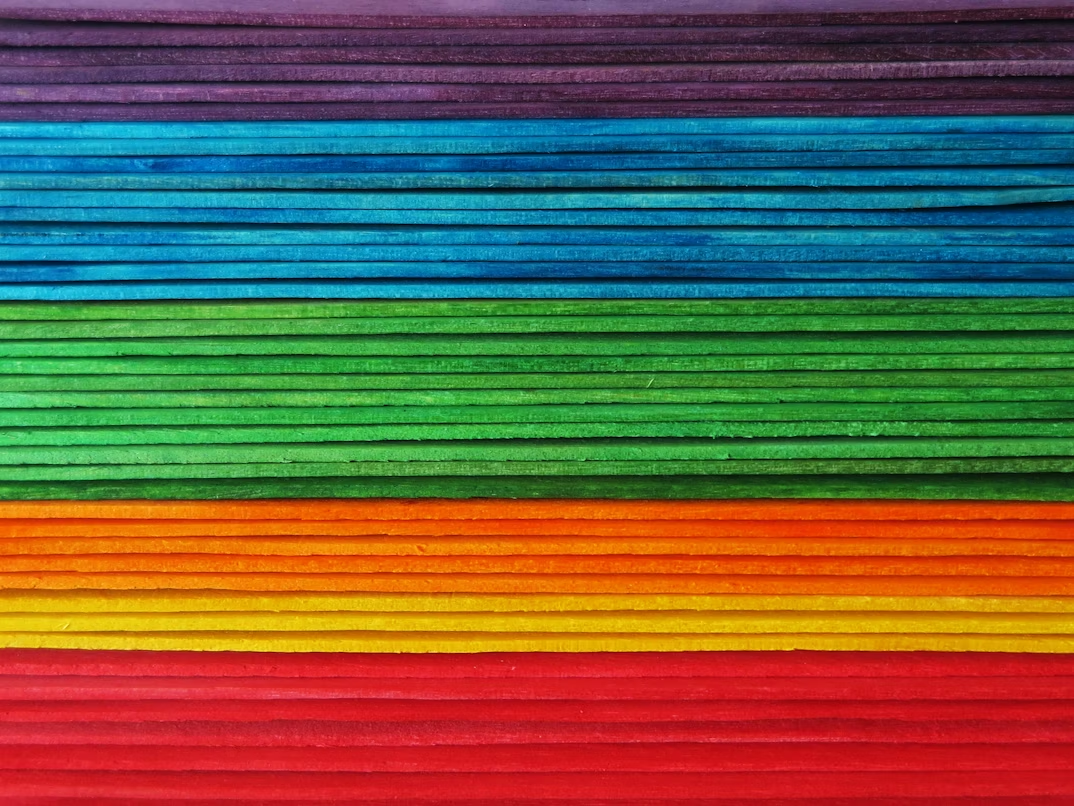
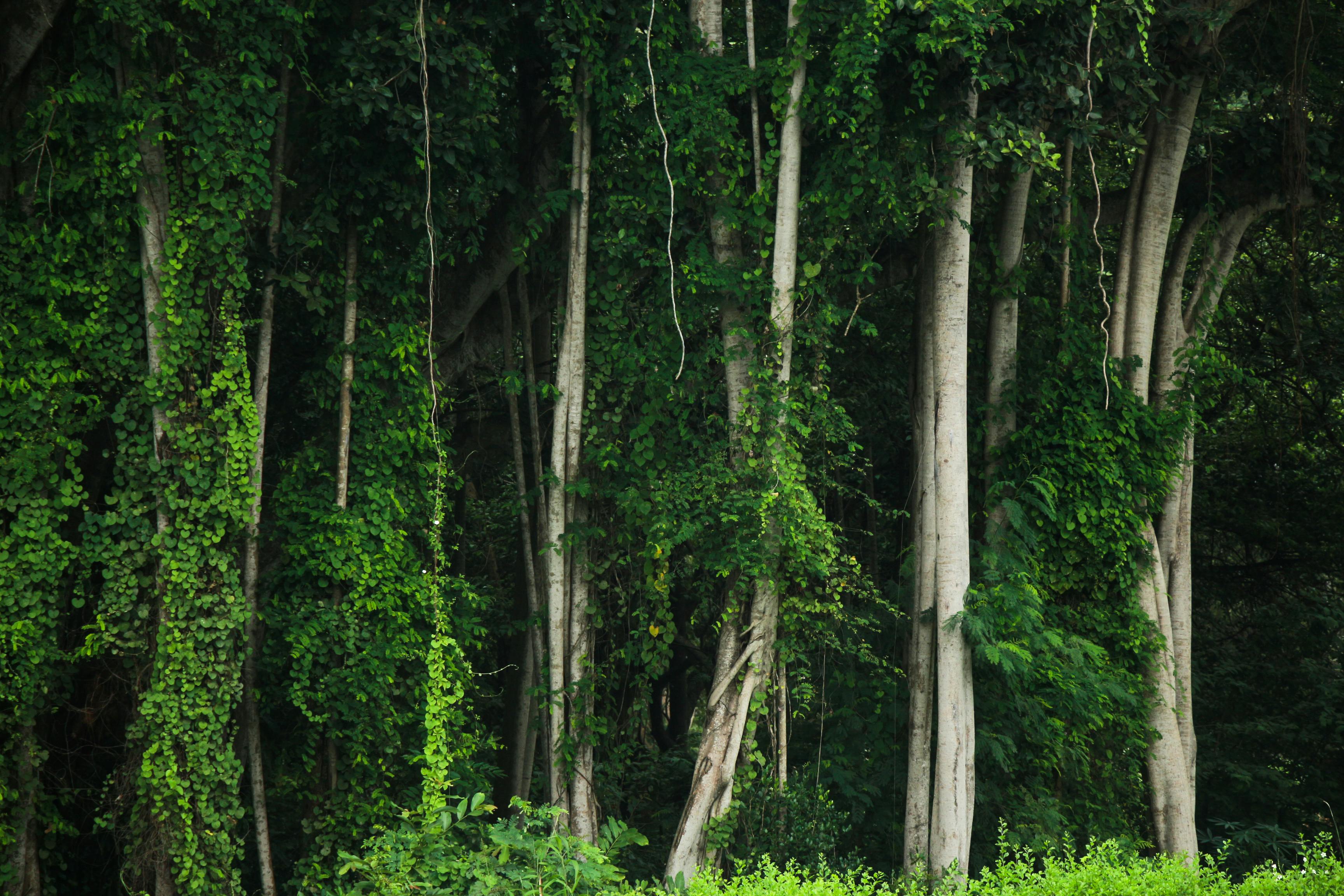
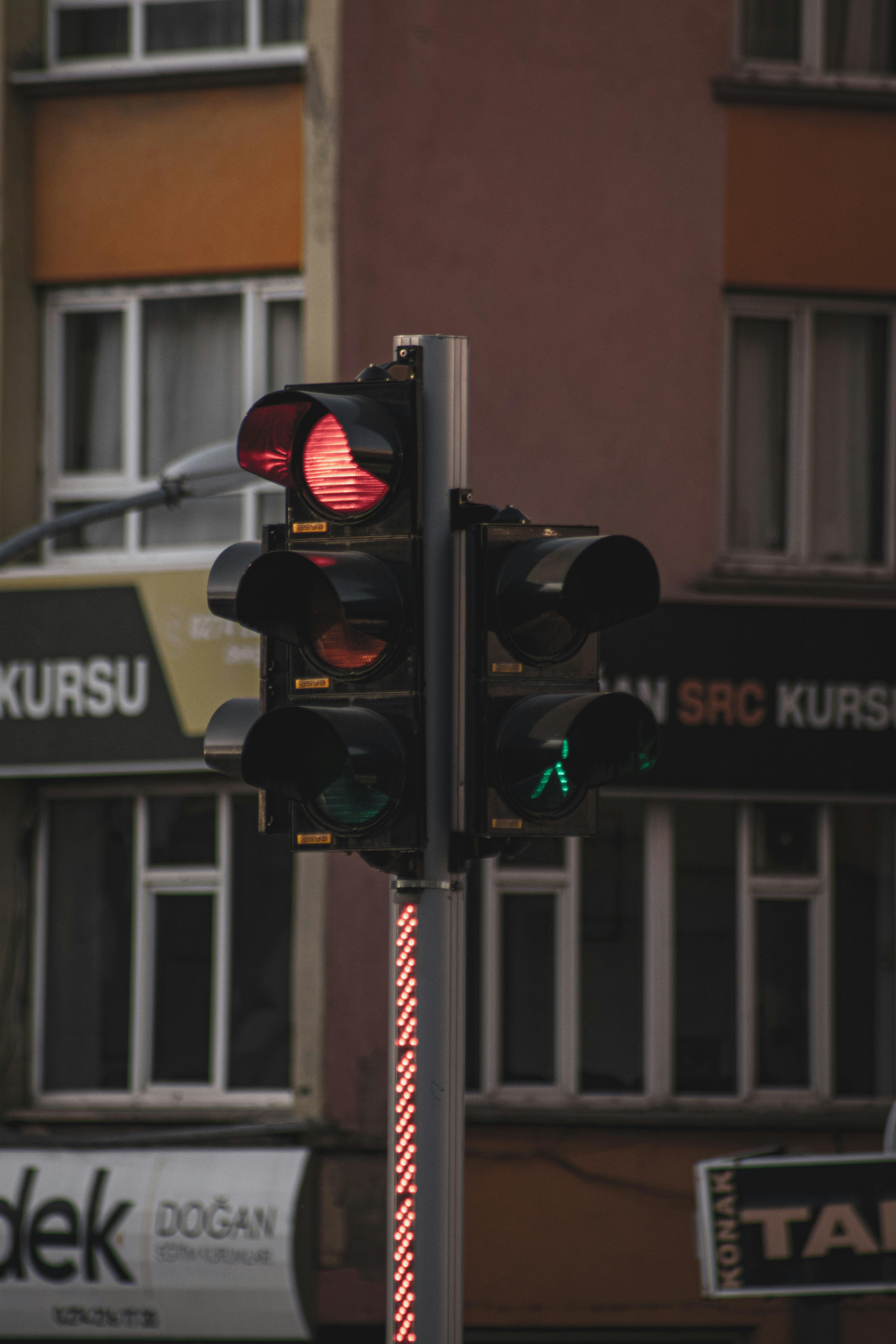
Select a colorblind type to simulate and see how these images appear to people with color vision deficiency.
Color Test
Forest Scene
Fruit

Sunset

Traffic Lights
Join the Waitlist
Be the first to know when See What I See launches on the App Store. No spam, just one email when it’s live.